

Aiworks Cholangioscopy

Diagnosing malignancy in indeterminate biliary strictures is a challenge. Endoscopic retrograde cholangiopancreatography (ERCP) is the most used procedure to evaluate the biliary system; however, it has low diagnostic accuracy and imaging limitations. Various malignancy classifications (Monaco, Carlos Robles-Medranda et al., and Mendoza classification) have been proposed. However, even among experts, there is interobserver variability in detecting available neoplastic lesions. To overcome the diagnostic accuracy limitations of ERCP, the Ecuadorian Institute of Digestive Diseases (IECED; Guayaquil, Ecuador), a reputed center for gastroenterology and endoscopy, in collaboration with mdconsgroup (Guayaquil, Ecuador), a well-established software company in Guayaquil, Ecuador.
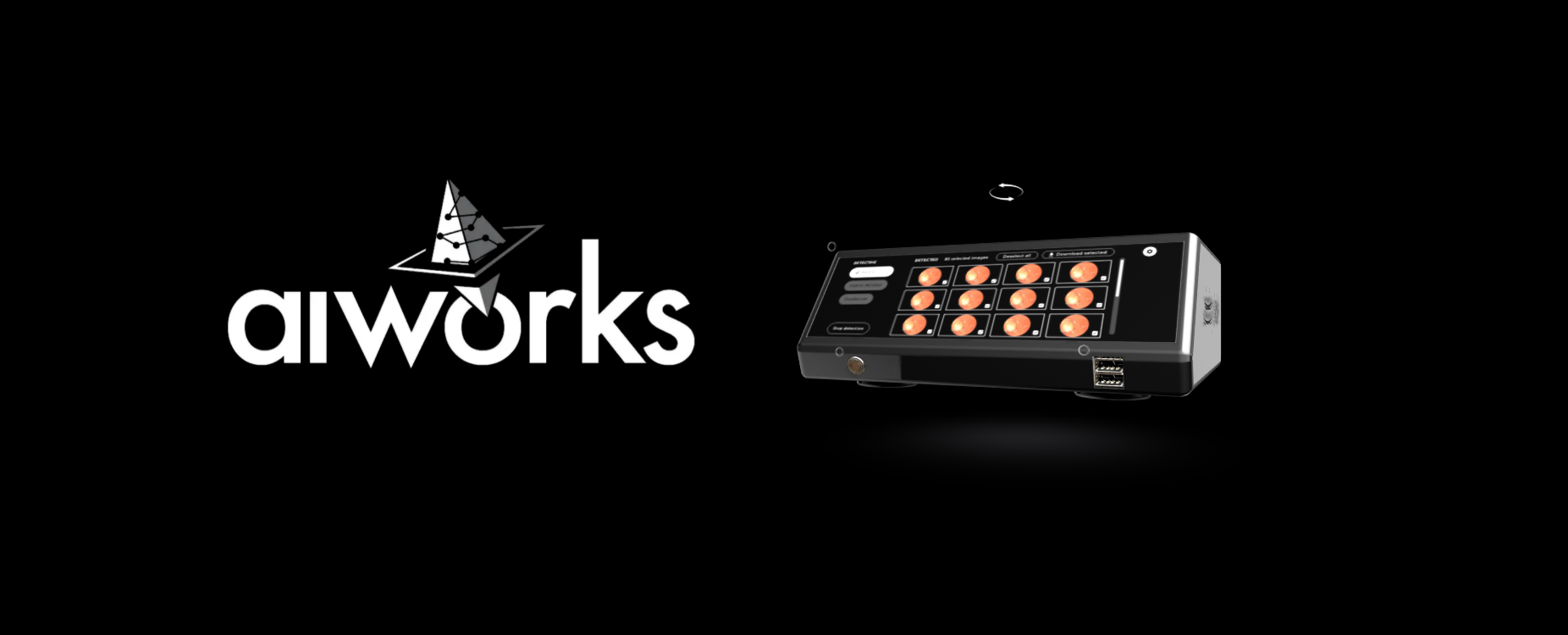
Aiworks Cholangioscopy is a computer-assisted detection device used with a standard endoscope for identifying areas suggestive of neoplasia in the bile duct.
This device can be used during real-time cholangioscopy procedures or in pre-recorded videos.
Each time it identifies a lesion, it highlights the area within a bounding box, providing the confidence score and emitting a beep.
The software performs detection at an average of 30 frames per second, taking screenshots of the observed lesions during the procedure for review at any other time.